


As an e-commerce store owner, you may know that acquiring a new customer is more expensive than retaining and using an existing one.
That’s why many stores implement upselling and cross-selling strategies to boost sales without increasing the number of customers they have.
You should also apply these sales strategies if you own an e-commerce store.
However, where can you learn more about these strategies and view some upselling and cross-selling examples?
Well, you’ll get that here in this article. Let’s read.
What is Upselling?
Upselling is a sales strategy that attracts customers and encourages them to purchase a higher-priced version of a product or service they were already considering.
For instance, you want to purchase a laptop and you have already chosen a specific laptop model. However, the salesperson informs you that your chosen laptop model has an upgraded version with more RAM and an advanced graphics chip.
Naturally, the better version comes at a higher price tag, but the salesman convinced you to opt for the better model to enjoy enhanced performance. If you buy the second and better laptop model, the upsell will be successful.
What is Cross-Selling?
Cross-selling is a sales method that requires sellers to offer customers complementary products or services that they didn’t intend to buy. For example, you visit a store to purchase a laptop. You ask the salesperson if they have your preferred laptop in stock.
The salesman informs you that they have it and brings it out for you. Additionally, he suggests a Bluetooth mouse and an extra keyboard. Suppose you buy those additional recommendations, the cross-selling will be successful.
👉Good Read: How to Make Ecommerce Website in WordPress
Upselling vs. Cross-Selling – Everything You Need to Know

These are sales strategies that help you increase the value of a customer’s purchase. These strategies have four key differences between them:
Approach: Cross-selling involves sellers promoting and selling additional and related products or services that complement the primary offering to customers. On the contrary, upselling involves recommending an upgraded, higher-priced version of a product or service.
Goal: Salesmen use cross-selling to increase the total number of purchases, while they utilize upselling to increase transaction value.
Customer Focus: Although both sales strategies focus on enhancing the customer experience, cross-selling concentrates on offering additional solutions, while upselling prioritizes high-quality features and benefits.
Effect: Cross-selling aims at increasing sales volume and upselling targets high profit margins by increasing revenue per transaction.
You now have a better understanding of cross-selling and upselling sales strategies. You can employ both strategies simultaneously in your business to obtain maximum profits.
10 Upselling Examples to Study
Below are 10 upselling examples from top e-commerce stores worldwide to help you refine your sales strategy.
1. Promote Featured Items
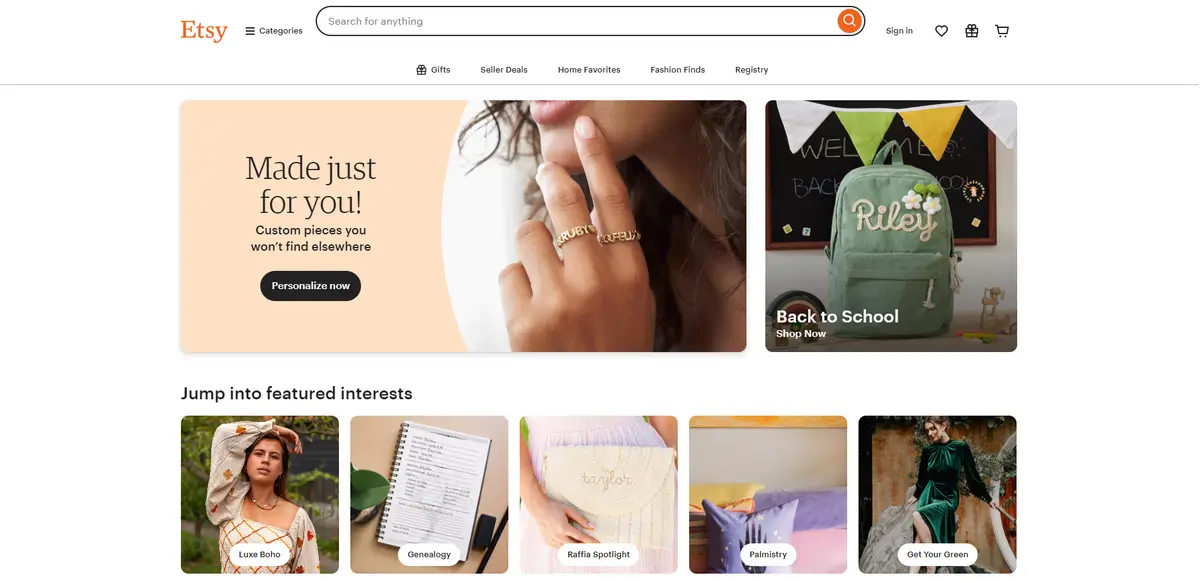
Some stores usually highlight featured products on their homepages to attract customers and sell those items. This approach is beneficial for new stores, and you may occasionally implement it, as Etsy did in the screenshot below.
Image Credit: Etsy
2. Highlight New Products
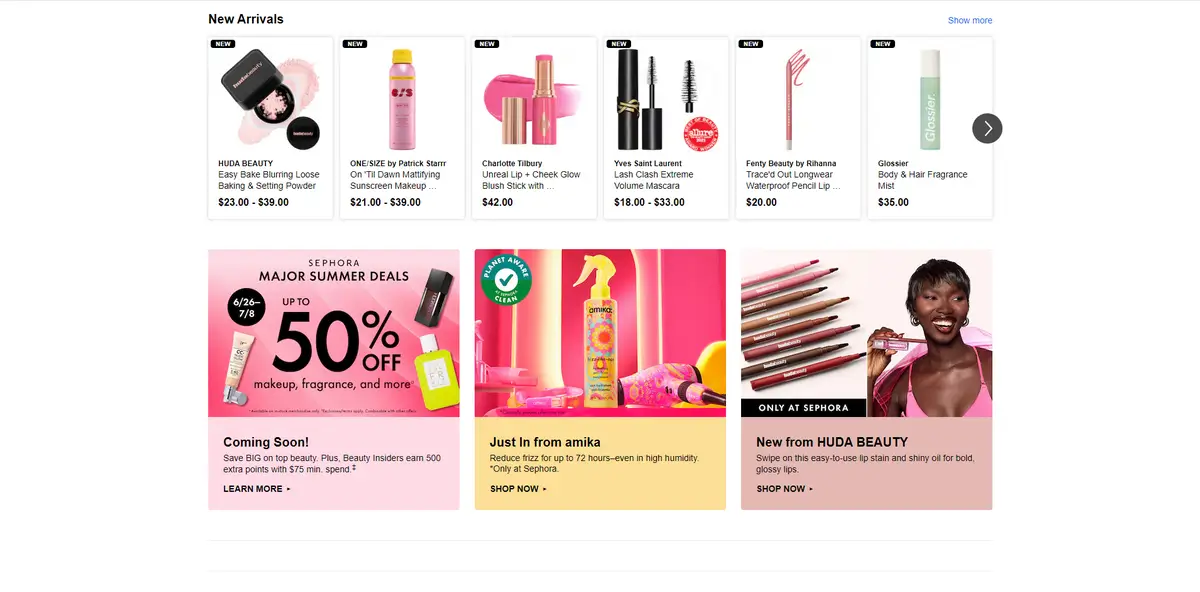
Many stores feature new items on their homepages to increase the visibility of these items, attract prospects, and boost sales. It’s one of the most used upselling sales approaches for e-commerce stores. You may also try this.
Image Credit: Sephora
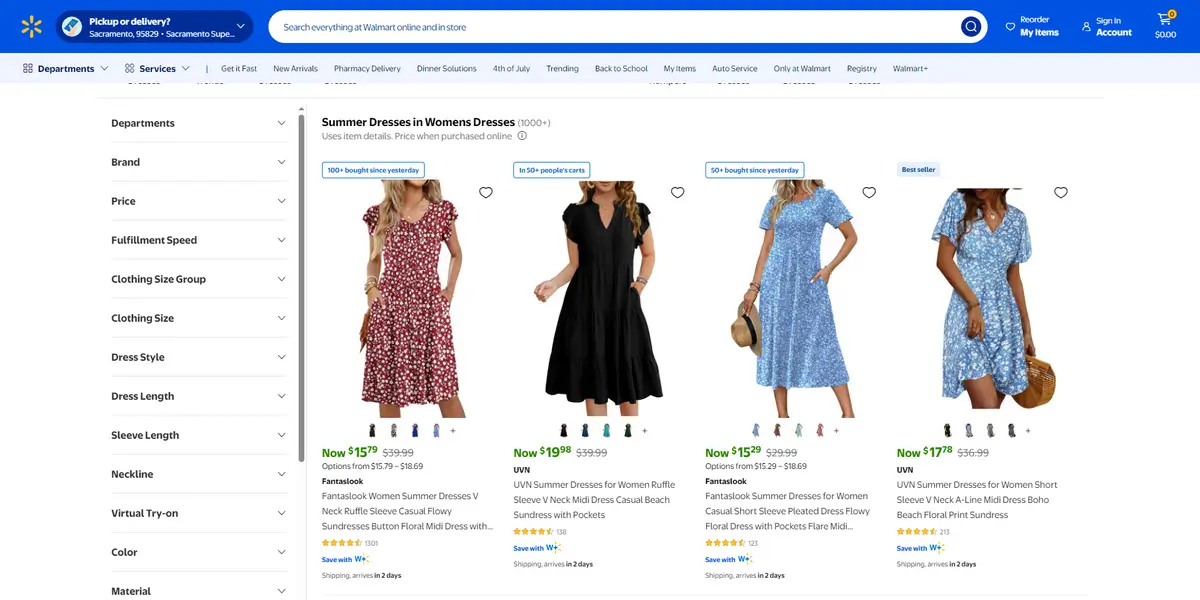
3. Exhibit Seasonal Products
Promoting seasonal products on the homepage is another upselling technique. You can display seasonal items on your homepage and increase engagement, product visibility, and sales. Here’s an example of this technique from Walmart.
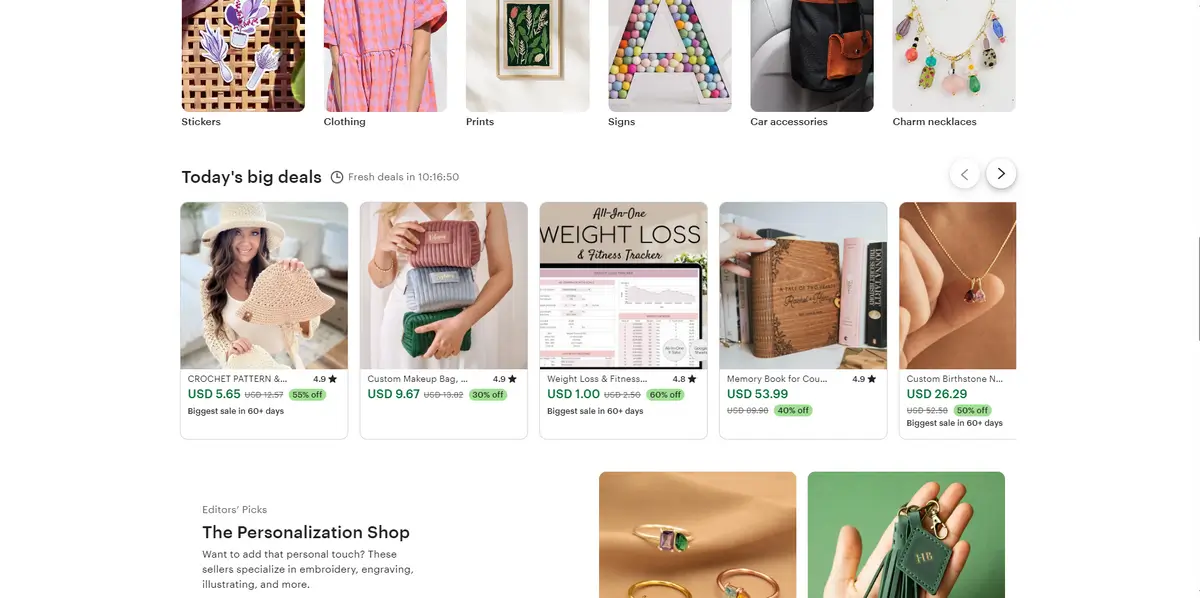
4. Create Daily Offers
You can instantly capture your targeted audience’s attention with daily offers. When you display daily offers on the homepage, they create a sense of urgency among prospects and make them purchase products or services immediately.
Flipkart uses this upselling technique to increase the sense of urgency among customers and boost sales.
5. Promote Bestsellers
You can boost your average order value and constantly generate more revenue by upselling the most popular products of your store. You can display these products on the homepage or cart page to boost conversions.
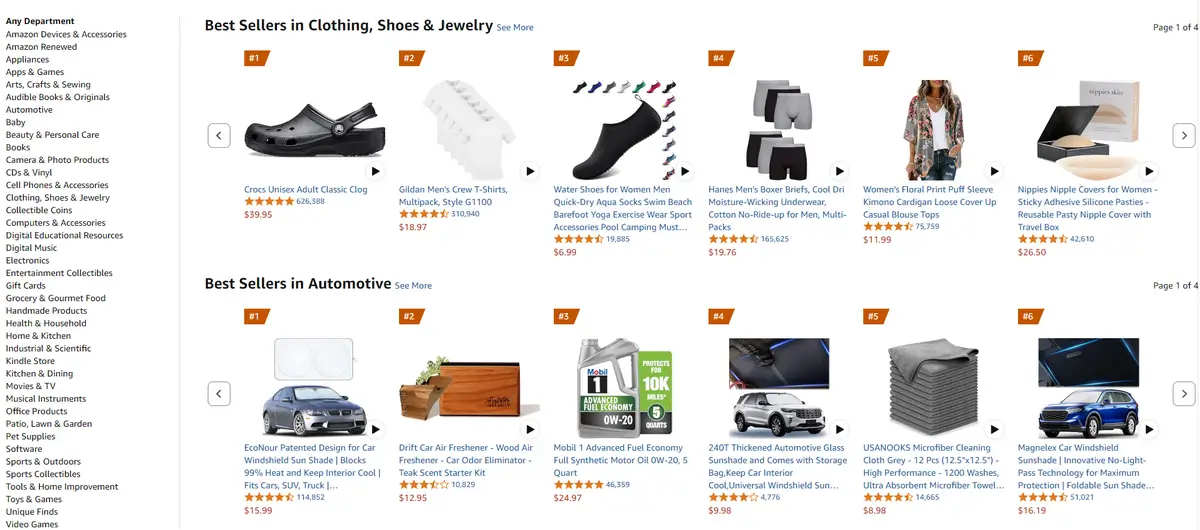
Image Credit: Amazon
But how do you determine the most popular products in your store?
- Check the number of times a product is sold
- Inspect how many visits a particular product page gets
- Examine the number of times someone adds specific products to their cart
These techniques help you identify the most popular products in your online store.
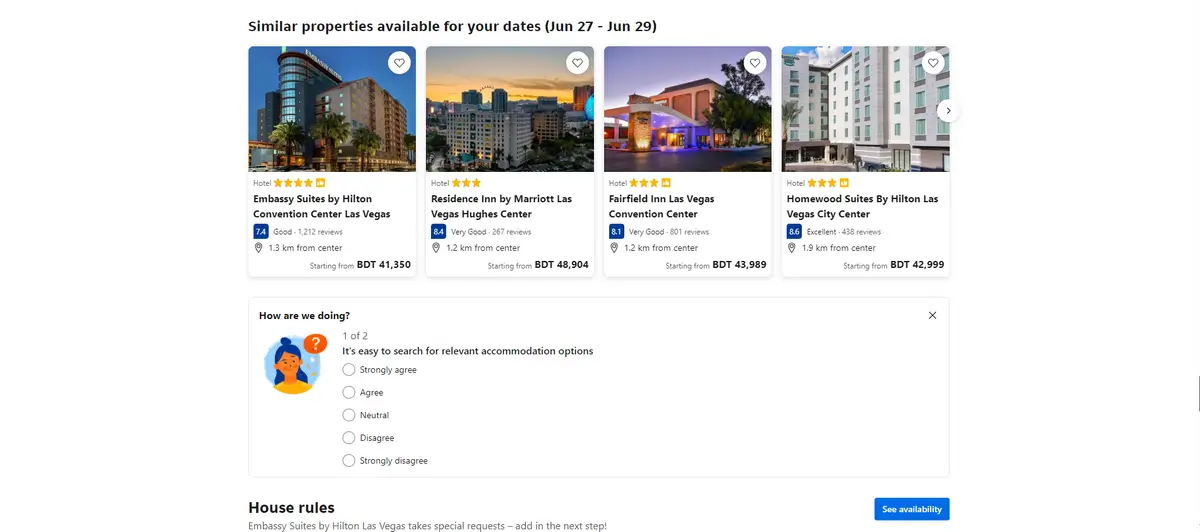
6. Offer Similar Products
Many shoppers love options, so offering similar products can be an excellent way to upsell. You can include similar products on product pages to help visitors compare their options, leading to sales. Check how Booking.com does it on its product page.
7. Show Products Other Shoppers Have Viewed
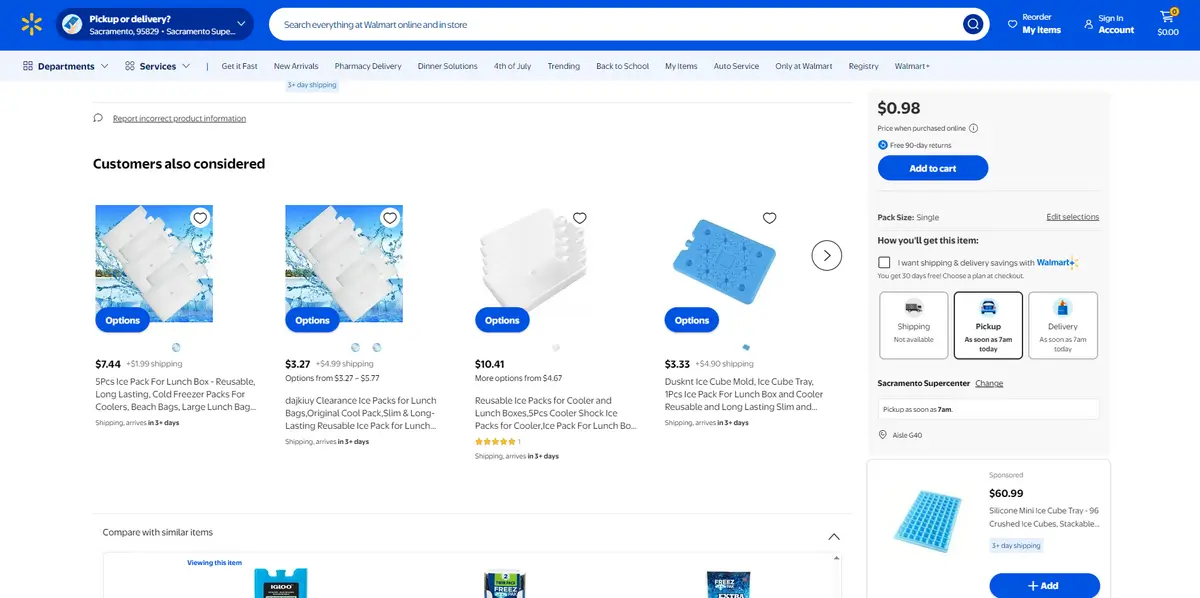
You know, people tend to buy products that attract others and become popular among customers. Hence, many stores showcase products that others have viewed on the homepage.
Doing so helps store owners boost engagement, reduce bounce rate, and increase overall sales. You can create a separate section with a title, “Customers also viewed these products,” on your store’s product page and display products in a similar manner to Walmart.
8. Display Items with Customer Reviews
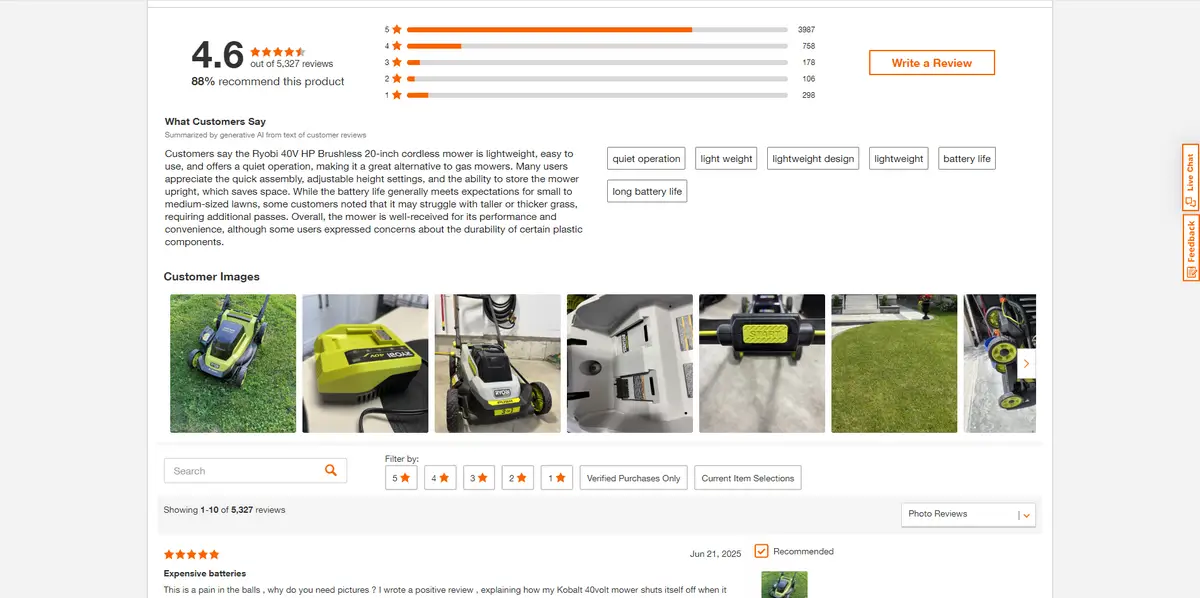
Customer reviews tell the popularity of a product. Additionally, reviews can persuade customers to purchase more expensive products. Many stores highlight products with customer reviews to attract prospects and secure sales.
You can also showcase customer reviews, especially when upselling high-priced products, as Home Depot does.
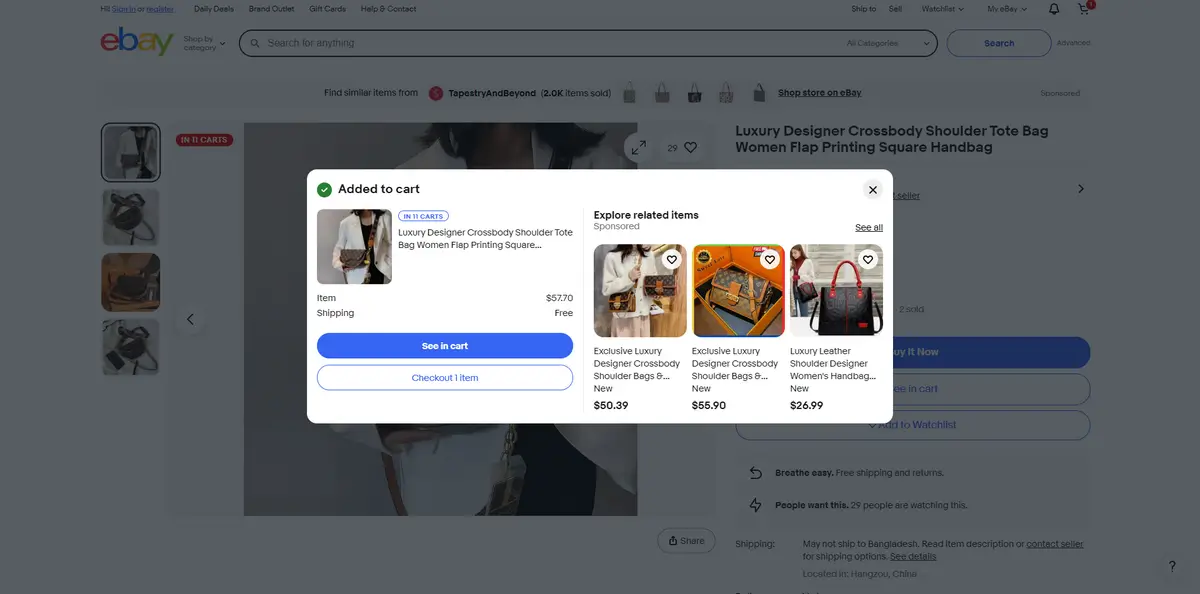
9. Promote Products in the Cart
The cart is an ideal location to highlight products for upselling. Imagine this: a shopper adds an item to the cart, then notices that a better version of the same product is displayed in the cart. That person will be very likely to purchase the better product model.
That’s what eBay utilizes to upsell products. You can follow eBay’s upselling technique to increase overall transaction value.
10. Offer an Upgrade
Many stores suggest an upgraded version of a product to customers when they visit particular product pages. Doing so helps them increase the average order value. As you may know, excellent sales come from relevant or upgraded product models.
Therefore, promote an upgrade of the product when customers visit its page. Here’s an example of offering an upgrade for upselling.
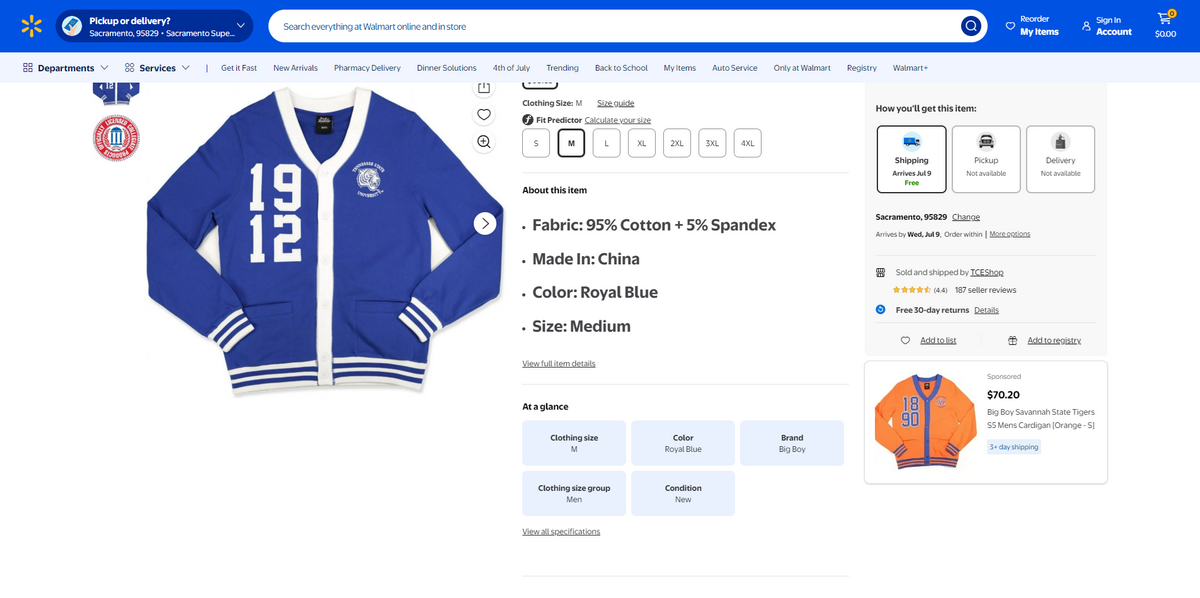
Image Credit: Walmart
5 Cross-Selling Examples to Study
Here are five excellent cross-selling examples to study and implement into your business to boost sales and revenue.
1. Suggest Complementary Items
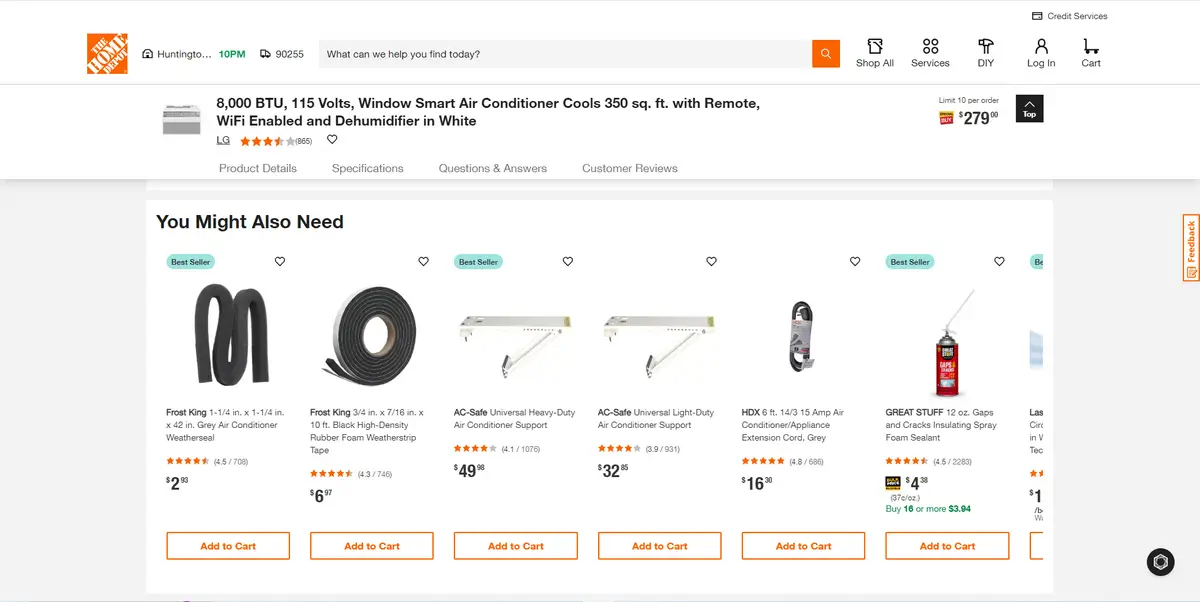
You can increase the average order value and sell more products by suggesting complementary products based on the items customers view.
Suppose you browse an online store to check diverse ACs from different brands. You suddenly stumble upon an AC and view its product page; then, you can see the other AC installation items you’ll need if you purchase that AC.
The chances of buying all these products together will remain high. If you purchase those products from that store, the store owner’s cross-selling strategy, which involves suggesting supplementary products, will be successful.
That said, here’s a similar example from The Home Depot.
2. Display Similar Products
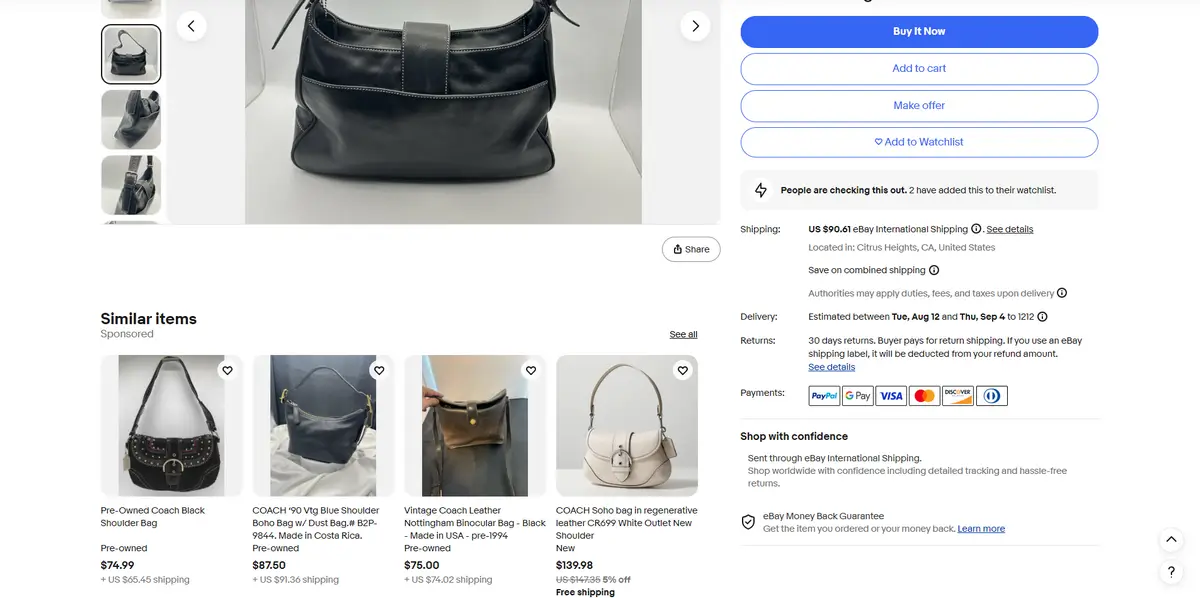
Display similar products on the product pages to increase sales. Alongside promoting complementary products, you can also showcase related items on the product page.
Doing so helps your target customers find other items they might be looking for. Hence, when you display similar products and customers find that’s what they are seeking, you make sales.
That said, please refer to the screenshot below to see how eBay displays similar products on its product page.
3. Exhibit Products Frequently Bought Together
Displaying products that customers frequently buy together is an excellent cross-selling technique. You can use other customers’ purchase histories to identify items that are bought together.
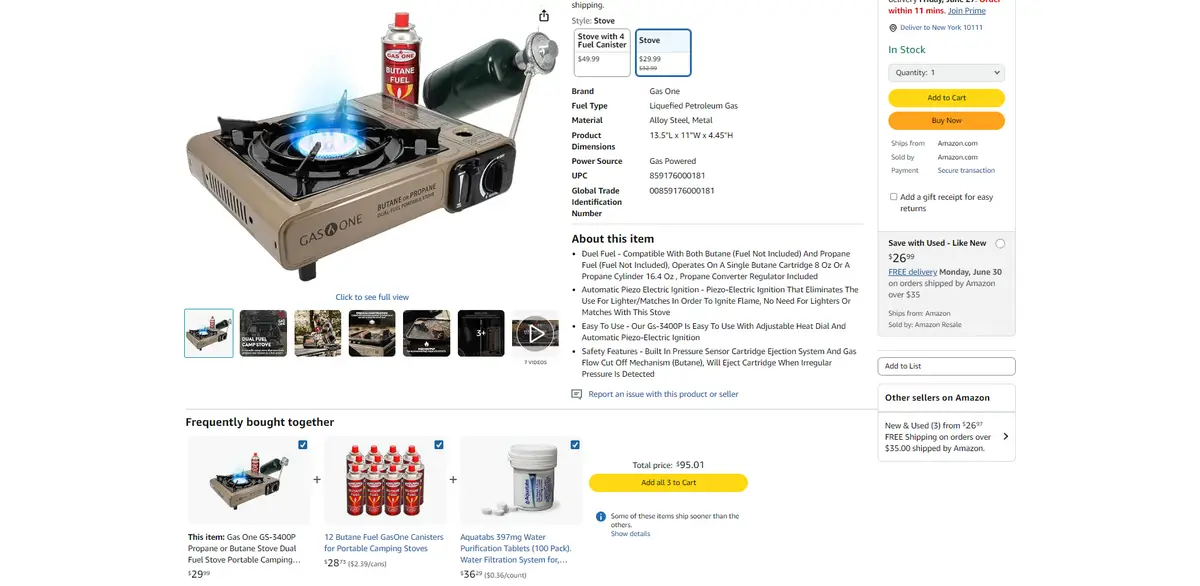
After that, display those items on the related product page to succeed in cross-selling. Amazon recommends supplementary products in its “Frequently bought together” section.
4. Promote What Others Also Bought
When you promote items that other customers also bought, you inform visitors that these are popular products that add value to people’s lives. On the other hand, potential shoppers become more interested in buying products when they notice others are also purchasing those items.
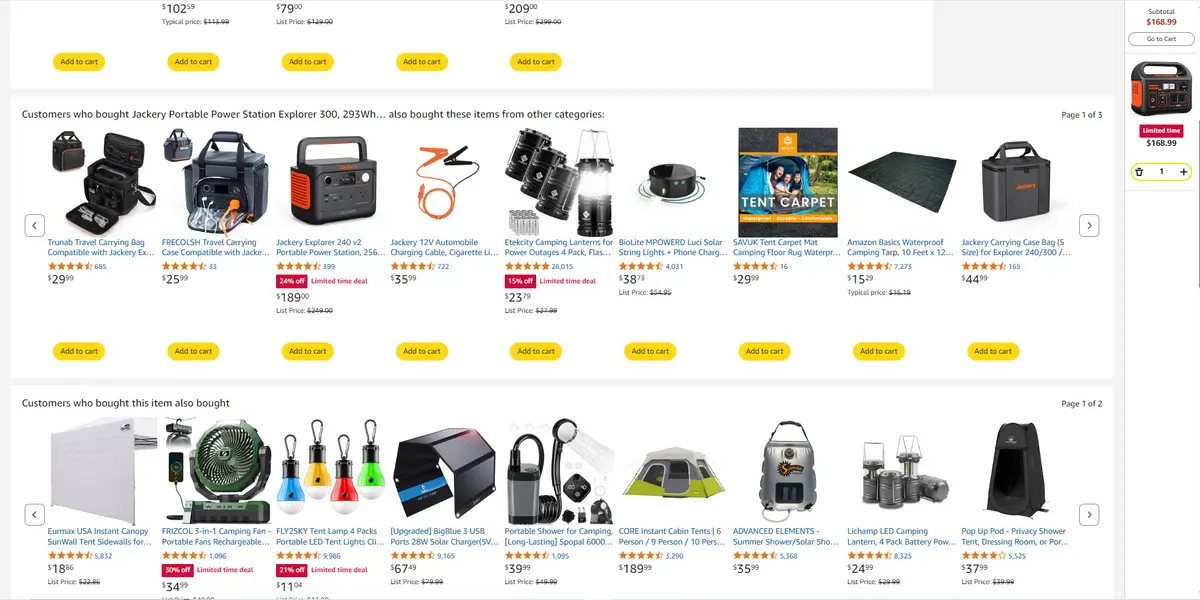
Hence, you can create a separate section on the product page and showcase the most popular or bought items in that section, titled “Others Also Bought.” You can also showcase such products on the checkout page to boost conversions. Take a look at how Amazon displays “Others Also Bought” products on the checkout page.
5. Offer Additional Items for Free or at a Discount
Do you know people love free items and enjoy buying products at discounted pricing? So, offer products for free or at heavily discounted prices to improve customer satisfaction rates and increase sales.
When planning to promote products for free, ensure you provide genuine items that add value to your target customer groups. However, do you need to offer products for free to increase sales?
You don’t. You offer a free product when a customer buys a high-priced item, which covers the cost of the free product you plan to promote. You just run a ‘BOGO’ deal to entice customers and increase sales while improving the customer shopping experience.
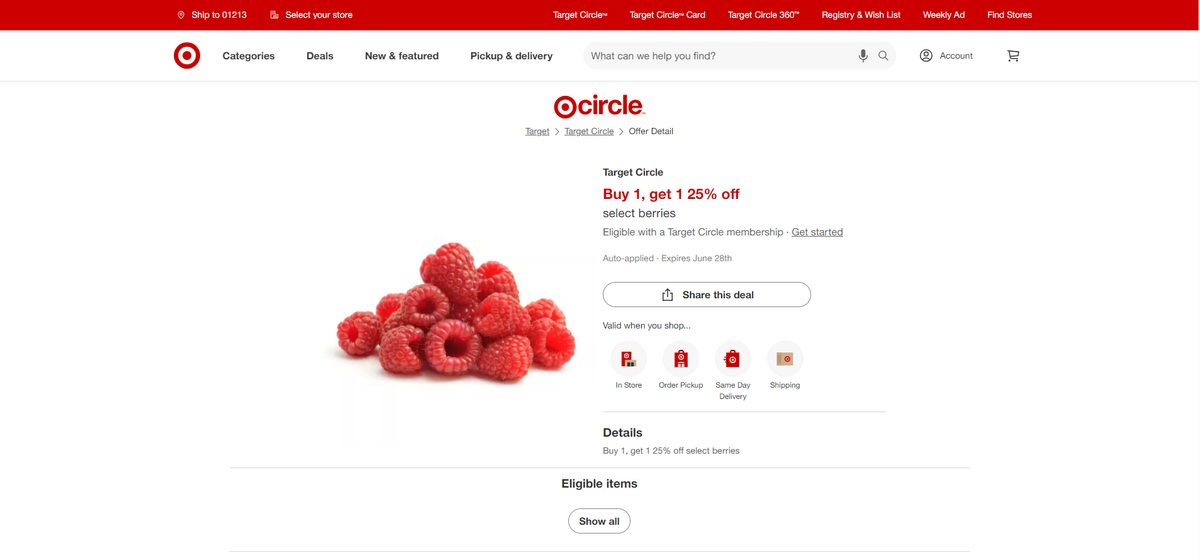
Image Credit: Target
When to Use Upselling and Cross-Selling
Now that you know about upselling and cross-selling, you have already seen a few examples of each marketing strategy. It’s time to learn about when you should use upselling and cross-selling strategies to increase sales and revenue.
Try a upselling marketing strategy when you face the following scenarios:
- When the upgraded products offer more value to customers
- When a higher-priced product has more benefits
- When the upgraded product fulfills customers’ needs better
- When the standard and premium offerings have a solid differentiation
Try a cross-selling marketing strategy upon meeting the following criteria:
- You’ve already engaged with your targeted customers and know their needs
- You’ve inspected customers’ interests and their purchase and search history
- If the product naturally complements the primary purchase
- Ensure buyers don’t get overwhelmed while purchasing additional items
These are the times when you utilize either an upselling or a cross-selling marketing strategy. Therefore, analyze your situation and employ the most effective sales technique to increase revenue.
Tips for Successful Upselling and Cross-Selling
You may still fail to secure sales even after applying upselling and cross-selling strategies. Why? You may not have utilized the right approach or followed some effective tips for successful upselling or cross-selling.
1. Use Data and Insights
Before implementing any upselling or cross-selling techniques, it is crucial to understand the needs of your target audience thoroughly.
Thus, take the time to learn about your target customers. You can achieve this by collecting data, such as demographic information and customer feedback.
Then, analyze that data to understand what your customers typically shop for. Knowing this lets you design the perfect sales approach for each customer.
2. Know About the Customer Journey
When you study the customers and their buying journey, you identify opportunities to promote supplementary products or services throughout their purchasing journey.
You can accurately select which products or services to promote after evaluating your target customer’s buying patterns, needs, and behavior. Therefore, build a customer journey map before you use any upselling or cross-selling techniques.
3. Train the Sales Team
Your sales team can make excellent sales if they are familiar with your company’s products and services and have a deep understanding of your target customers’ needs.
You need to train your team to gather product knowledge and build strong relationships with customers. Additionally, conduct regular feedback sessions with the team to help each team member refine their sales strategy.
4. Build Bundles
You can encourage customers to purchase multiple related items from your store and increase your average order value by creating product bundles and offering products at a discount. It’s a common approach that many stores follow to upsell and cross-sell products successfully.
5. Utilize Multiple Channels
Many store owners make the mistake of implementing cross-selling and upselling techniques in a single channel. You shouldn’t do that.
Instead, alongside applying these sales techniques to your website, you need to utilize a combination of channels, including email, text messages, social media, and even in-person sales, to increase your chances of success.
These are all the tips you can follow to successfully upsell and cross-sell your products or services.
Wrapping Up
Okay, we’ve reached the end of this article. You now have a clear understanding of the most powerful upselling and cross-selling techniques to grow your online stores.
We recommend that you review the examples, study the websites mentioned in this article to illustrate the points, and apply the tips we shared to drive more sales and increase revenue.
Remember that the more you know about your customers, the better you can promote products and services and make sales. So, be patient and try upselling and cross-selling strategies. Good luck.


